What If We Could See Cancer Coming 5 Years Early?
A landmark Cell study just identified a 14-protein blood signature that predicts lung cancer more than 5 years before diagnosis. Here is what it means, what you can do right now, and how we are applying this philosophy to skin.
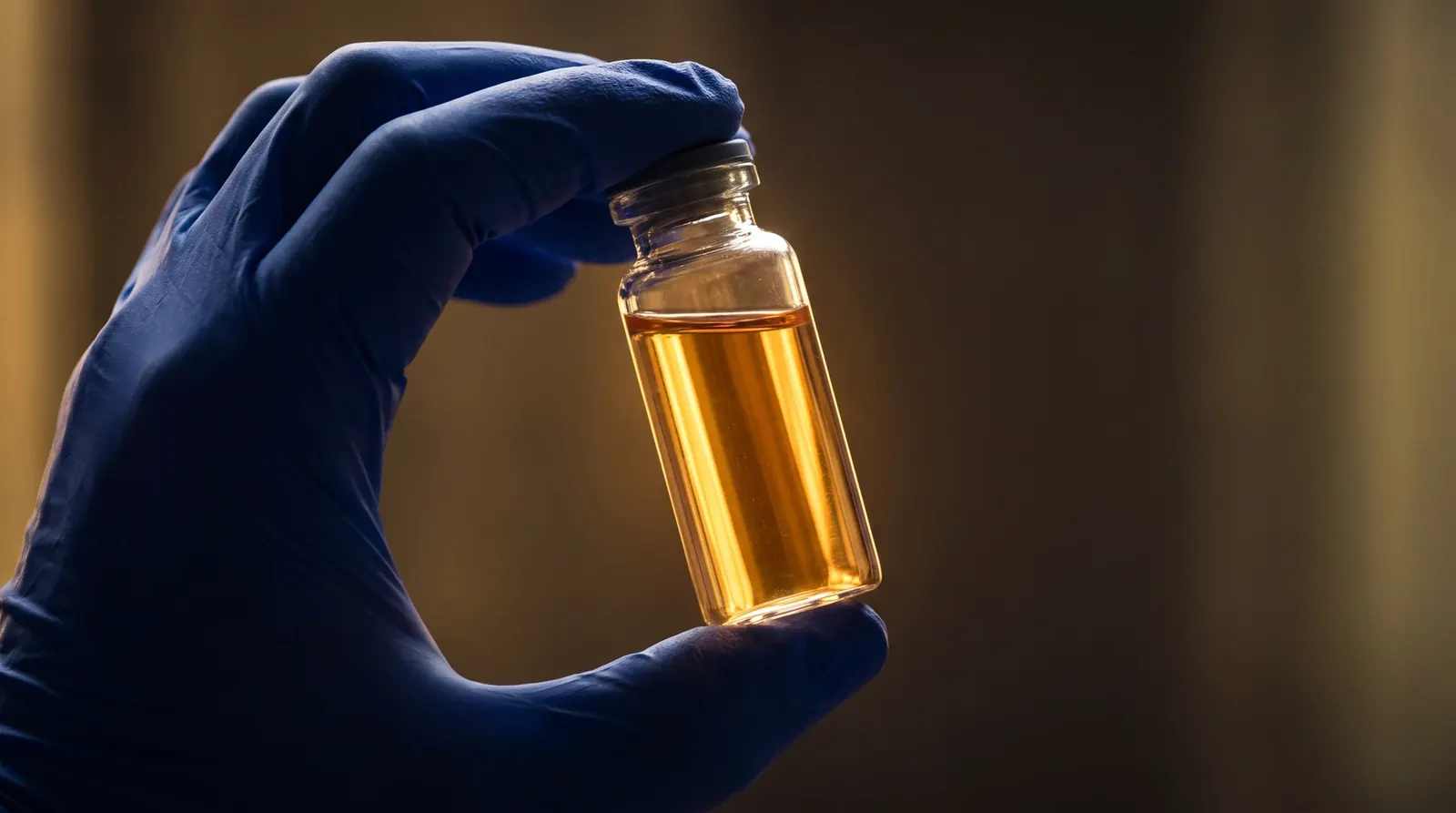
Pandya et al., Cell (June 2026)
A blood test that sees cancer coming 5 years before it shows on a scan.
- Works in never-smokers. Not just for people with smoking history.
- IL-1β drives it. Blocking this signal halved lung cancer in the CANTOS trial.
- Air pollution raises it. Particulate matter directly elevates the cancer signature.
- Precision prevention. Identifies who benefits most from intervention.
Want to know your inflammatory markers and cancer risk factors? A longevity panel maps what's happening inside.
My TakeMutations Are the Seeds. Your Biology Is the Soil.
“Cancer doesn't appear one day. We accumulate mutated cells throughout life. Whether they progress depends on the environment around them.”
— Dr. Dusan Sajic, MD, PhD
IL-1β — the inflammatory signal in this study — is one we have been researching too. Our GMA7® targets it directly in skin.
The Philosophy- Don't wait for disease.
- Measure the environment that allows it.
- Find the root causes.
- Intervene.
- Prove you changed them.
Book a longevity assessment. Physician consult with inflammatory markers and TruAge testing. Deposit applied to diagnostics. Book now →
What You Can Do Right Now
You do not need to wait for this specific 14-protein test to become available. There are things you can start doing today that address the very same pathways this study identified.
Regular Cancer Screening
The screen you get today might be significantly more sensitive in six months — these technologies are constantly improving with ongoing US studies. But catching things earlier is always better than waiting.
CancerGuard™ (Exact Sciences)
A multi-cancer early detection blood test that screens for signals of 50+ cancer types using DNA and protein biomarkers. Results in about two weeks. HSA/FSA eligible. Available now through telehealth or your physician.
Galleri® (GRAIL)
Identifies cell-free DNA shed by cancer cells in the bloodstream. Detects over 50 cancer types, many of which have no standard screening. Better at detecting later-stage and aggressive cancers. $949 list price. Complement to (not replacement for) standard screening.
Regular Skin Cancer Screening
Annual full-body skin checks with a dermatologist. We already do this — and we are adding AI-assisted dermoscopy and molecular diagnostics to catch changes even earlier. The skin is the most accessible organ for early detection.
Turn Down IL-1β Naturally
The study showed IL-1β drives cancer promotion. You can reduce this inflammatory signal through lifestyle changes that are available to everyone right now:
Exercise regularly — reduces systemic IL-1β and inflammatory markers
Anti-inflammatory nutrition — Mediterranean diet, omega-3s, colorful vegetables
Stress reduction — chronic stress elevates IL-6 and IL-1β through cortisol dysregulation
Avoid toxins — cigarettes, excess alcohol, processed foods all elevate inflammatory signaling
Sleep optimization — poor sleep drives inflammatory cytokine production
Maintain healthy weight — adipose tissue is an inflammatory organ

Anti-inflammatory nutrition: salmon, berries, leafy greens, turmeric, walnuts, olive oil
Prevention starts with measurement. Book a screening or longevity assessment today.
In Our SkinWe Are Already Doing This In Skin
The same philosophy — measure the environment, intervene, prove you changed it — is exactly what we are applying to skin longevity and skin cancer prevention.
DNA Repair Serums
We are adding DNA-repair technology directly to the skin. Photolyase enzymes repair UV-induced cyclobutane pyrimidine dimers (CPDs) — the same DNA damage that, left unrepaired, leads to mutations and eventually skin cancer. This is not just cosmetic; it is molecular prevention.
GMA7® Technology
Our GMA7 platform targets the same inflammatory pathways (IL-1β, oxidative stress, cellular senescence) in skin that this Cell study identified as cancer promoters systemically. We have published data showing reductions in inflammatory cytokines and precancerous actinic keratosis burden.
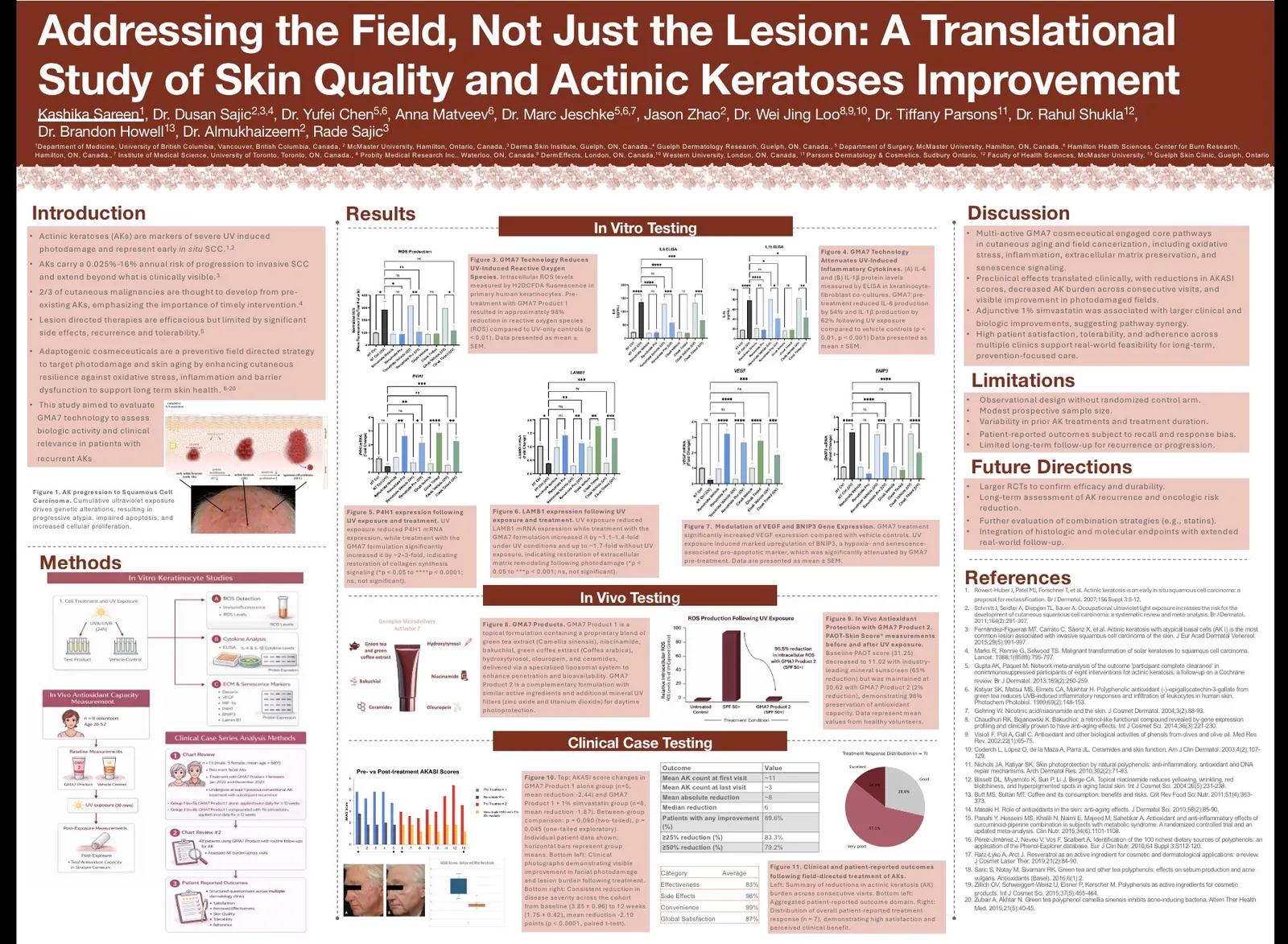
Sareen, Sajic et al. — “Addressing the Field, Not Just the Lesion: A Translational Study of Skin Quality and Actinic Keratoses Improvement”

Rejuvenat Protect & Repair Duo
Protectif SPF 50+ — Mineral sunscreen with GMA7 technology. Blocks UV damage at the surface while supporting DNA repair underneath.
Rejuvenat Anti-Aging Serum — Five peptides, DNA-repair enzymes, copper tripeptide GHK-Cu. Targets oxidative stress, inflammation, senescence, and ECM repair — the same pathways this Cell study identified as cancer-promoting when dysregulated.
Together, they form the daily longevity foundation for your skin — prevention at the molecular level.
Longevity & concierge medicine
Cancer Prevention & Early Detection: FAQ
Straight answers on the 14-protein test, CancerGuard, Galleri, IL-1β, and what you can do now.
Is the 14-protein blood test available to patients now?
Not yet as a clinical product. The Pandya et al. study (Cell, 2026) is a research finding that identified the signature across retrospective cohorts. However, multi-cancer early detection tests like CancerGuard (Exact Sciences) and Galleri (GRAIL) are available now and use similar blood-based biomarker approaches to screen for 50+ cancer types.
What is CancerGuard and how does it work?
CancerGuard is a multi-cancer early detection blood test from Exact Sciences. It analyzes DNA and protein biomarkers in a single blood draw to detect signals of over 50 cancer types. Results come in about two weeks. It is HSA/FSA eligible and available through telehealth or your physician. It is a screening test, not a diagnostic — a positive result means further imaging is needed.
How does IL-1β connect to cancer?
IL-1β is an inflammatory cytokine that promotes tumor growth by creating a pro-inflammatory microenvironment. The CANTOS trial showed that blocking IL-1β with canakinumab reduced lung cancer incidence by approximately 50% in high-risk individuals. The Pandya et al. study found IL-1β-driven inflammation is a key component of the 14-protein signature that predicts cancer 5+ years early.
What does this have to do with skin?
The same inflammatory pathways (IL-1β, oxidative stress, cellular senescence) that promote systemic cancer also drive skin aging and skin cancer development. Our GMA7 research targets these pathways in skin — we have published data showing reductions in inflammatory cytokines and precancerous actinic keratosis burden. DNA-repair serums like Rejuvenat address the mutation side of the equation.
Can lifestyle changes really reduce cancer risk?
Yes. Exercise, anti-inflammatory nutrition, stress reduction, avoiding toxins (cigarettes, excess alcohol), sleep optimization, and maintaining healthy weight all reduce systemic inflammation including IL-1β. These are the same pathways identified in the Cell study as cancer-promoting when elevated. The study reinforces that cancer prevention is not just about screening — it is about changing the biological environment.
Sources & References
- Pandya et al., Plasma signals of lung tumor promotion for molecular cancer prevention (Cell, 2026)
- Blood Protein Test Predicts Lung Cancer Years Before Diagnosis (Cancer Discovery, 2026)
- CANTOS Trial: Canakinumab reduced lung cancer incidence (Ridker et al., Lancet, 2017)
- CancerGuard Multi-Cancer Early Detection Test (Exact Sciences)
- Galleri Multi-Cancer Early Detection Test (GRAIL)
- GMA7 clinical evaluation — AK and photodamage (Sajic et al., J Cosmet Dermatol, 2021)
- Sajic et al., GMA7 photodamage/AK data (Canadian Derm, 2026)
- IL-1β and cancer: molecular mechanisms (Nature Reviews Cancer, 2020)
This article is for educational purposes only and is not medical advice. Individual results vary. Always consult a qualified physician before making changes to your health regimen.
Don't wait for disease. Measure it. Prevent it.
Whether you want a comprehensive skin cancer screening, a longevity biomarker panel, or a DNA-repair skincare protocol, the first step is measurement.
Skin cancer prevention program
Laser as prevention, not just repair, under a dermatologist's plan.
Read more → BookBook a longevity assessment
Physician consult with inflammatory markers and TruAge testing. Deposit applied to diagnostics.
Book now → Shop Sajic Skin ScienceRejuvenat DNA-repair serum
Photolyase DNA repair, five peptides and GMA7: molecular prevention, daily.
Shop now →Not sure which is right for you? Call 1-888-430-4665 or email consult@sajicskin.com and our team will point you to the right starting point.
This article is for education and general information only. It is not medical advice, does not establish a physician-patient relationship, and should not replace consultation with a qualified physician. Individual results vary.