The Complete CO2 Recovery Guide
Preventing side effects starts before the laser fires. From internal optimization to validated recovery products, here is the protocol that separates exceptional outcomes from avoidable complications.
CO₂ laser around the eyes can be one of our best treatments for crepey skin, fine lines, and improving overall skin quality — but the skin here is extremely thin. Preparation, laser settings, and recovery are just as important as the laser itself.
Most clinics focus on the procedure day. We focus on the entire arc: what your body needs before the laser, what happens during healing at the molecular level, and how validated recovery products can dramatically reduce side effects while improving long-term results. This is not a generic aftercare sheet — it is the protocol we use in our own clinic, constantly refined and tested.
Before The LaserPre-Care: Set the Stage
The single biggest predictor of side effects is preparation. Patients who skip preconditioning have 3-5x higher rates of post-inflammatory hyperpigmentation. We start the protocol weeks before the laser ever touches your skin.
Pigment Preconditioning
Start 4-6 weeks before. Hydroquinone, arbutin, tranexamic acid, or vitamin C to suppress melanocyte hyperactivity. This is non-negotiable for Fitzpatrick III+ skin types.
Barrier Strengthening
Ceramide-rich moisturizers and gentle cleansers for 2 weeks pre-procedure. A compromised barrier = prolonged healing and higher PIH risk.
Antiviral Prophylaxis
Valacyclovir starting 2 days before for any patient with HSV history. Even without history, many physicians prescribe prophylactically for full-face resurfacing.
Stop Photosensitizers
Discontinue retinoids 5-7 days before, AHAs/BHAs 3 days before. These thin the stratum corneum and increase thermal injury risk.
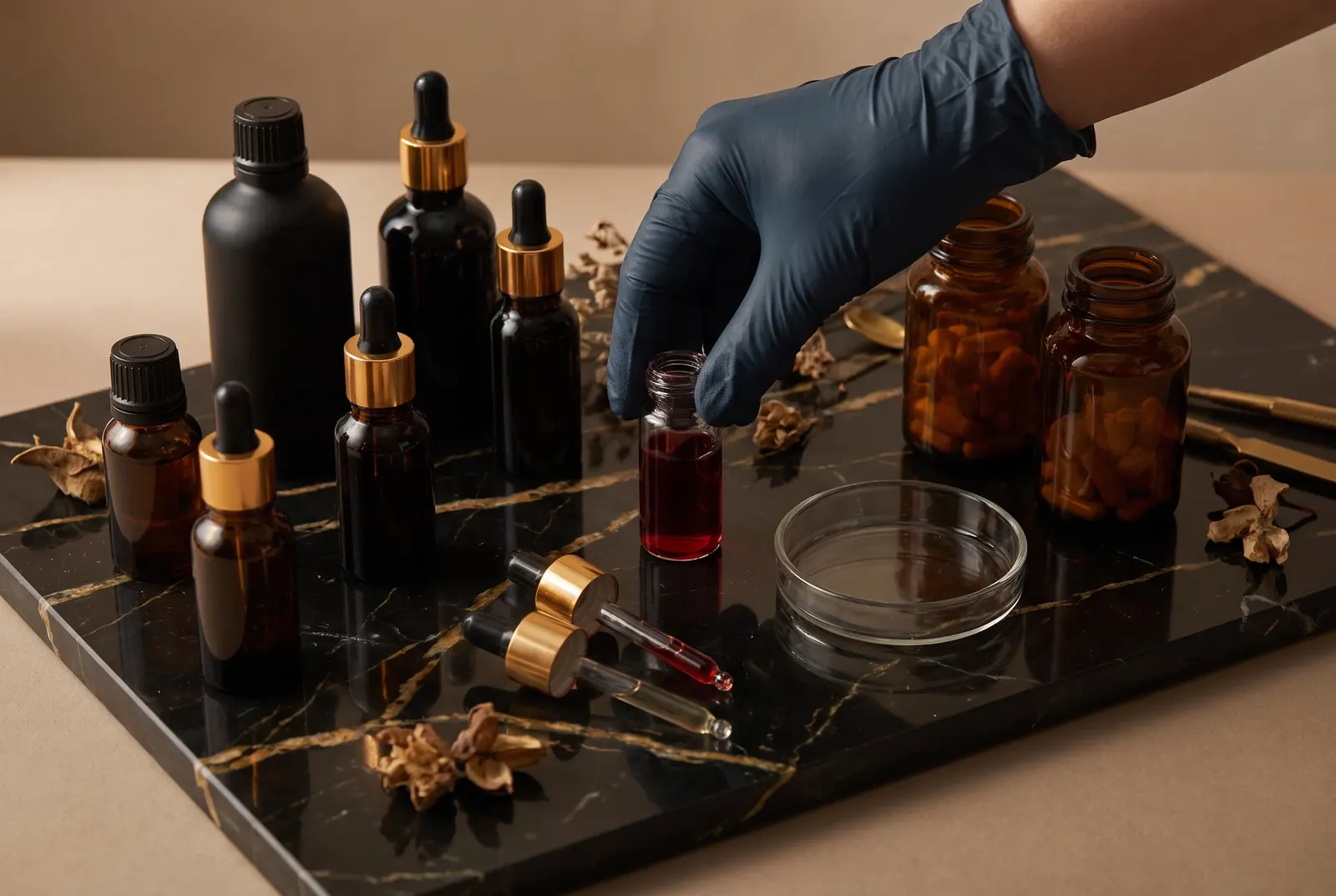
Want to know if your skin is ready for CO2? A pre-procedure assessment maps your internal health first.
Fix Inside FirstInternal Optimization: What Your Blood Tells Us
Here is what most clinics miss: if your internal health is compromised, no amount of post-care product will compensate. Your oxidative stress reserves, inflammatory markers, and hormone levels dictate how much we can escalate therapy — or whether we need to fix it first before proceeding.
Inflammatory Markers
hs-CRP, IL-6, TNF-α. Elevated inflammation = prolonged redness, higher scarring risk, slower collagen remodeling
Hormones
Cortisol, thyroid (TSH/T3/T4), estrogen, testosterone
Hormone imbalance directly impacts wound healing speed and collagen synthesis capacity
Oxidative Stress Reserves
PAOT test, glutathione levels, SOD activity. Low antioxidant reserves mean your skin cannot neutralize the free radical burst from thermal injury
Nutritional Status
Vitamin D, zinc, vitamin C, iron, B12, omega-3 index
Deficiencies in any of these directly impair wound healing and increase infection risk
Aging Bloodwork
TruAge epigenetic clock, metabolic panel, HbA1c. Biological age and metabolic health predict recovery timeline better than chronological age
Our approach: We run a comprehensive panel before any aggressive CO2 protocol. If markers are off, we correct first — sometimes that means 4-8 weeks of supplementation and lifestyle optimization before the laser. The result? Faster healing, fewer side effects, and better long-term collagen remodeling.
Book CO2 at deRMA Skin Institute. Treatment is delivered in Guelph. Request a consultation to confirm candidacy and pre-care timing. Book now →
Products That Actually Have Science Behind Them
Not all recovery products are equal. We only use products with published clinical evidence. Here is what we layer in our clinic — from basic occlusion to advanced biologics.
Vaseline (Petroleum Jelly)
Days 0-5 · Basic OcclusionThe gold standard for immediate post-laser occlusion. Creates a moisture-retentive barrier that reduces transepidermal water loss by 98%. Prevents scab formation, which is the #1 cause of scarring after CO2. Simple, inexpensive, and backed by decades of wound-healing research.
Alastin Regenerating Skin Nectar
Days 1-14 · TriHex Technology
TriHex Technology® (a peptide + antioxidant complex) supports the skin's natural ability to clear damaged elastin and collagen while producing new, healthy matrix. Published in PMC (2025) showing enhanced outcomes when paired with laser procedures. Reduces visible recovery time and supports optimal collagen remodeling.
Platelet-Rich Plasma (PRP)
Day 0-1 · Autologous Growth FactorsYour own concentrated growth factors applied immediately post-laser. A 2017 PMC study showed PRP combined with fractional CO2 had a synergistic effect on rejuvenation, shortening side-effect duration and promoting better wound healing. We use validated systems like EmCyte PurePRP (dual centrifugation, higher platelet concentration) and Eclipse PRP (gel separator method) — both with published concentration data.
Exosomes
Day 0-3 · Cell Signaling VesiclesExosomes are nano-sized extracellular vesicles that carry growth factors, cytokines, and mRNA to target cells. A 2026 randomized clinical study (PMC) showed exosome-based skin boosters serve as a safe complement to laser therapy for short-term recovery. Companies with published research includeKimera Labs (ASCE+) and Benev Exosome Regenerative Complex. We only use products with validated science — not marketing claims.

Rejuvenat by Sajic (Repair & Protect)
Days 3+ · DNA Repair + Multi-Hallmark Recovery
Rejuvenat is our physician-formulated recovery serum built on the GMA7® platform. It contains five peptides (including copper tripeptide GHK-Cu), DNA-repair enzymes (photolyase), hyaluronate technology, and targets multiple hallmarks of aging simultaneously. Unlike single-active recovery products, Rejuvenat addresses oxidative stress, inflammation, barrier repair, ECM signaling, and cellular senescence in one formulation — exactly what laser-treated skin needs.
Published in the Journal of Cosmetic Dermatology (Sajic et al., 2021) and presented at the 2026 Canadian Dermatology Association meeting with data showing improvements across photodamage and AK burden in a 48-patient longitudinal analysis.
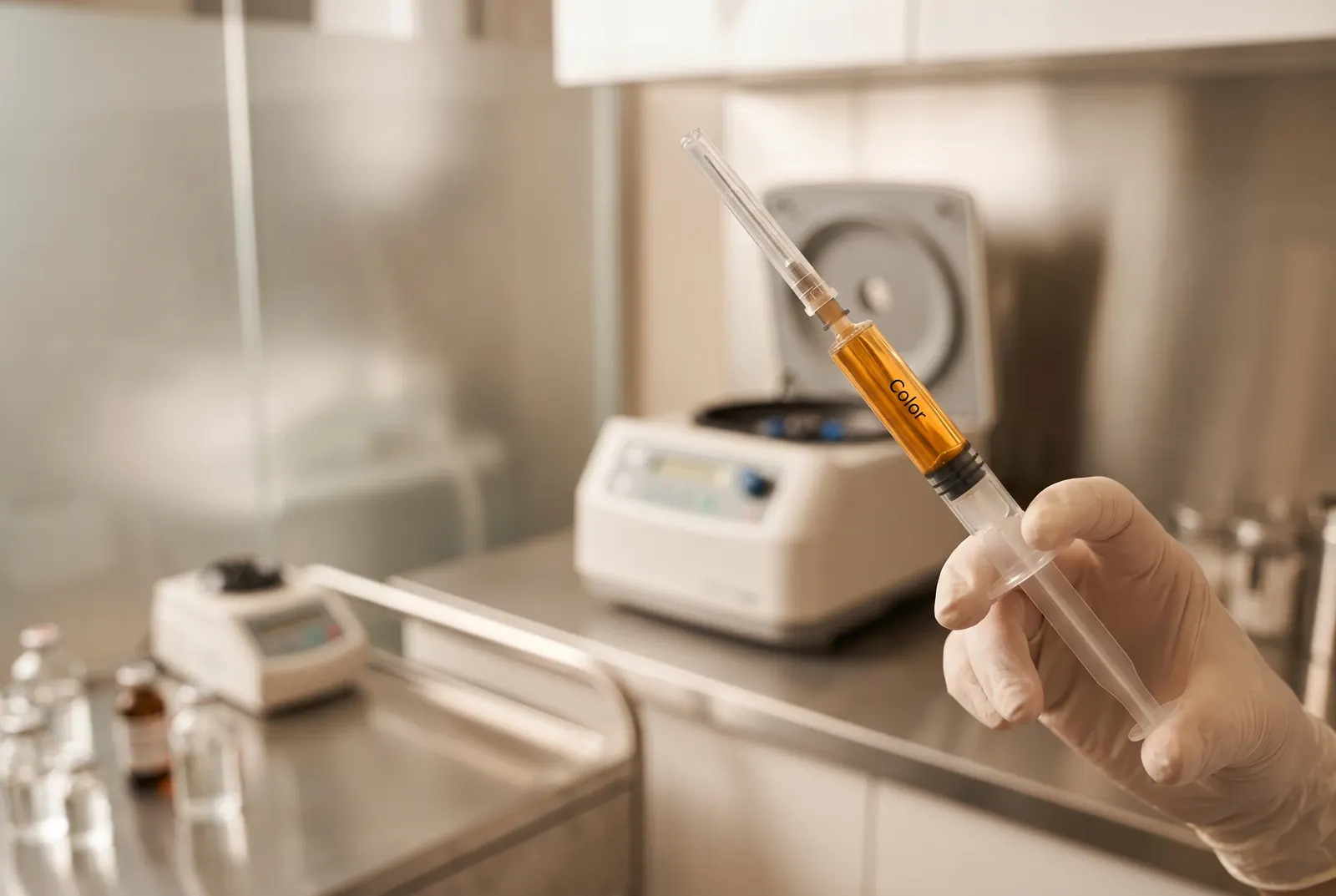
Recovery is not one product — it is a protocol. Let us build yours.
The Longevity Spectrum12 Hallmarks of Aging: What Rejuvenat Covers
Most recovery products target 1-2 aging pathways. Rejuvenat was designed to address 10 of the 12 hallmarks simultaneously — making it not just a recovery product, but a longevity foundation.
DNA-repair enzymes (photolyase)
—
Indirect via cellular repair support
Bakuchiol (retinoid-like epigenetic effects)
Loss of Proteostasis
Signal peptides + copper tripeptide
—
Emerging (resveratrol pathway)
Niacinamide + multi-pathway approach
Copper tripeptide (GHK-Cu) upregulates mito genes
Anti-senescence pathways via GMA7
Microenvironment restoration
Anti-inflammatory + peptide signaling
Direct anti-inflammaging actives
Microbiome-supportive formulation
Dysbiosis10/12 hallmarks addressed — this is why we position Rejuvenat not just as a post-laser recovery product, but as your daily longevity foundation. Combined with Protectif sunscreen and Renutriate, you cover virtually the entire aging spectrum.
Beyond SkincareThe True Longevity Foundation
Ideally, your recovery protocol uses both topical science and internal supplementation as your true longevity foundation. Skincare addresses the outside; supplements and internal optimization address the cellular machinery that drives healing from within.
Supplement Support
NAD+ precursors (NMN/NR), omega-3 fatty acids (validated omega-3 index), vitamin C (2g/day during recovery), zinc (30mg), collagen peptides, and vitamin D optimization (target 60-80 ng/mL). These are not optional extras — they are the raw materials your skin needs to rebuild.
Nutrition Protocol
High-protein diet (1.2-1.6g/kg) during recovery to supply amino acids for collagen synthesis. Anti-inflammatory foods (fatty fish, berries, leafy greens). Avoid alcohol for 2 weeks (impairs wound healing). Hydration target: 3L/day minimum.
The Combined Approach
Topical: Rejuvenat + Protectif sunscreen (GMA7 multi-hallmark coverage)
Internal: Targeted supplements + optimized bloodwork
Together: This is what true skin longevity looks like — not just recovering from a procedure, but building resilience that compounds over time.
We Are Constantly Testing
This protocol is not static. We are constantly completing and refining it — testing new combinations, measuring outcomes not just visually but molecularly. Every patient who comes through our clinic contributes to a growing dataset that makes the next patient's recovery better.
That is the whole point: to improve it even more. Sometimes the improvement is visible in the mirror. Sometimes it is only visible under a microscope or in your bloodwork. Both matter. Both are measured. Both are optimized.
Longevity & concierge medicine
CO2 Recovery: Frequently Asked Questions
Straight answers on recovery timeline, side effect prevention, bloodwork, and validated products.
How long does CO2 laser recovery actually take?
Full recovery varies by depth and area. Periorbital (around eyes) typically takes 7-10 days for social downtime, with full collagen remodeling continuing for 3-6 months. Full-face ablative CO2 can take 2 weeks for initial healing. The key insight: internal health status dramatically affects this timeline.
What is the biggest mistake people make after CO2 laser?
Picking at the skin or letting it dry out. The treated area must stay continuously moist (Vaseline or equivalent occlusive) for the first 5-7 days. Scab formation is the #1 preventable cause of scarring. The second biggest mistake: not preconditioning with pigment support, leading to post-inflammatory hyperpigmentation.
Do I really need bloodwork before a laser procedure?
For aggressive CO2 protocols, yes. Patients with elevated inflammatory markers, low vitamin D, or hormonal imbalances heal significantly slower and have higher complication rates. We check these markers to determine if we can proceed safely or if we need to optimize first.
How does Rejuvenat differ from Alastin Nectar for post-laser?
They work through different mechanisms and can be complementary. Alastin uses TriHex Technology to support elastin/collagen clearance and renewal. Rejuvenat uses GMA7 with DNA-repair enzymes, five peptides, and multi-hallmark targeting. We often use Alastin in the immediate post-procedure window and transition to Rejuvenat for ongoing longevity maintenance.
Are exosomes safe after CO2 laser?
Published research (PMC, 2026) shows exosome-based skin boosters are safe and well-tolerated as a complement to laser therapy. However, we only use products from companies with validated science (Kimera Labs, Benev) — not unregulated or untested sources. Your physician should verify the product's provenance.
Can supplements really improve laser recovery?
Yes, with caveats. Vitamin C (collagen synthesis cofactor), zinc (wound healing), omega-3 (anti-inflammatory), and NAD+ precursors (cellular energy) all have published evidence supporting wound healing. The key is optimizing levels before the procedure, not starting supplements the day after.
Sources & References
- PRP + fractional CO2 synergistic effect (PMC, 2017)
- Exosome-based skin boosters post-laser (PMC, 2026)
- Alastin TriHex Technology post-procedure outcomes (PMC, 2025)
- GMA7 clinical evaluation (Sajic et al., J Cosmet Dermatol, 2021)
- López-Otín et al., 12 Hallmarks of Aging (Cell, 2023)
- Fractional CO2 laser complications review (PMC, 2012)
- Copper tripeptide GHK-Cu and mitochondrial gene expression
- Sajic et al., GMA7 photodamage/AK data (Canadian Derm, 2026)
- EmCyte vs Eclipse PRP kit comparison
- CO2 laser aftercare guidelines (MSKCC)
This article is for educational purposes only and is not medical advice. Individual results vary. Always consult a qualified physician before undergoing any laser procedure or starting a new supplement regimen.
Recover better. Heal faster. Age slower.
A physician assessment evaluates your internal health, designs your pre-care protocol, and builds the recovery plan that prevents side effects before they start.
CO2 laser at Sajic Longevity
Deep, high-density CO2 delivered personally by Dr. Sajic, inside a longevity protocol.
Read more → Book at the clinicBook CO2 at deRMA Skin Institute
Treatment is delivered in Guelph. Request a consultation to confirm candidacy and pre-care timing.
Book now → Shop Sajic Skin ScienceRepair & Protect aftercare bundle
Rejuvenat plus Protectif SPF: the two products that protect a resurfacing result.
Shop now →Not sure which is right for you? Call 1-888-430-4665 or email consult@sajicskin.com and our team will point you to the right starting point.
This article is for education and general information only. It is not medical advice, does not establish a physician-patient relationship, and should not replace consultation with a qualified physician. Individual results vary.