From Vanity to Longevity

For most of our lives, we are taught to chase the wrinkle. But the skin is a living organ, and the deeper story of aging is written in its biology, not its lines. This is an essay about a quieter, more durable turn: from treating how skin looks to protecting how skin lives.
The mirror: we were taught to chase the surface
A line appears at the corner of the eye. A little shadow settles under the cheekbone. The industry answers instantly: fill it, freeze it, smooth it. For decades, skincare has been a conversation with the mirror, a pursuit of looking younger.
There is nothing wrong with wanting to look well. But if the mirror is the only judge, we end up treating symptoms while the thing that actually ages, the living tissue beneath, keeps quietly moving forward.
Vanity asks: how do I look? Longevity asks: how am I aging?
The turn: two kinds of aging, only one written on your face
Modern skin science draws a line between the aging you can see and the aging happening in the cell. The most durable results come from treating the second, because when the biology improves, the surface tends to follow, and it lasts.
- Surface aging. Wrinkles, texture, laxity, pigment: the visible signals. Real, worth addressing, and what most treatments target. But it is the top of the iceberg.
- True (biological) aging. Changes in DNA methylation, cellular repair capacity, collagen turnover, and inflammation. This is the engine underneath, and increasingly, something we can measure and influence.
The goal is not a face without lines. It is skin that ages more slowly than the calendar says it should. Knowing how your skin is actually aging beneath what the mirror shows starts with measurement; our diagnostics page explains how we quantify it.
Book a consultation. Nurse ($150) or physician ($499) consult, deposit applied to testing. Book now →
The gentle door: a low-downtime way to start
High-density CO2 laser is still the most powerful single tool for deep wrinkles, tightening, and durable field clearance. But it asks for real downtime. For someone with a lower burden of damage, who cares more about slowing biological aging than erasing every line, a non-ablative fractional laser is a legitimate, evidence-backed place to begin. Four things are worth knowing about it.

It may reset the cellular clock
A first-in-human split-face study of a non-ablative fractional 1940 nm laser (n = 22, ages 25 to 60), published in Nature Scientific Reports, reported reversal of DNA-methylation signatures associated with skin aging. This is early, small-sample evidence, but it points at true, biological rejuvenation, not just a smoother surface.
It meaningfully clears the sun-damaged field
Non-ablative fractional resurfacing has reduced actinic keratoses by roughly 50 to 66% in field-treatment studies: a genuine dent in pre-cancerous change, with only a few days of redness rather than weeks of recovery.
Dose and settings decide the outcome
This is the part patients rarely hear: underdose the treatment and you leave most of the benefit on the table. The energy, density, and number of passes are what separate a token result from real change, which is why an experienced hand matters more than the brand of laser.
It likely won't clear "zombie" cells alone
We do not yet know whether fractional laser removes senescent "zombie" cells that drive aging and inflammation. So for the right patient we pair it with energy-based tightening such as Ultherapy, layering benefits rather than relying on one door.
Honest trade-off. Gentler treatments trade some wrinkle-and-tightening power for far less downtime. The right choice depends on your skin, your damage burden, and your goals, which is exactly what a consultation is for. Compare the fuller-strength path on our CO2 resurfacing page and see CO2 plans and pricing.
Inside out: the best skin is a byproduct of a well-run body
This is the heart of the shift. Longevity skincare treats the skin as an organ connected to everything else, so the plan reaches past the surface into how the tissue repairs, defends, and renews itself.
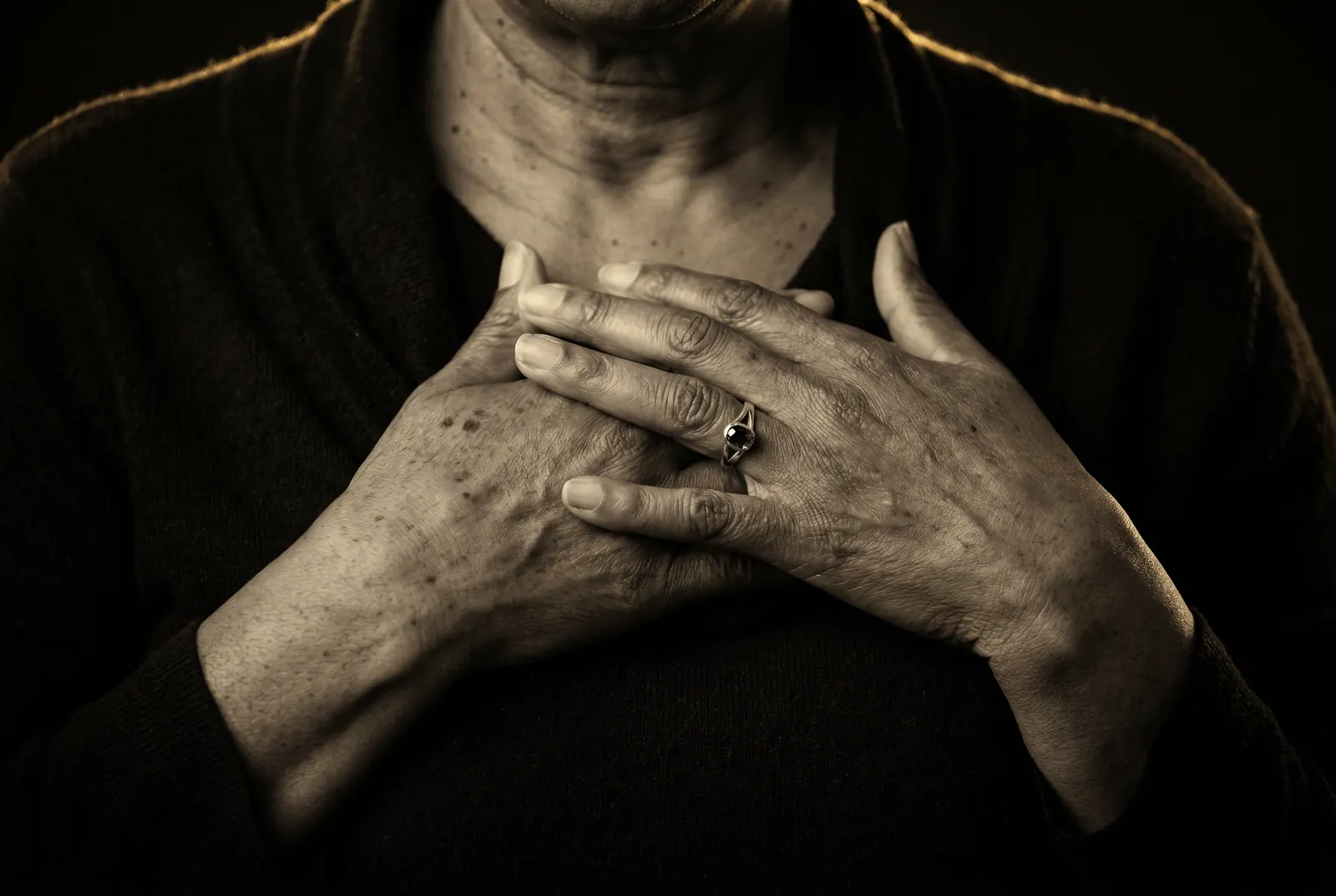
- Skin reflects the whole body. Inflammation, metabolic health, and repair capacity show up in the skin. Optimize the internal terrain and the skin has a better foundation to work from.
- Protect the investment. DNA-repair skincare and daily sun protection defend the result of any treatment. Oral nicotinamide reduced new non-melanoma skin cancers by about 23% and actinic keratoses by roughly 13 to 15% at 12 months in immunocompetent high-risk patients (ONTRAC).
- Play the long game. One treatment is a moment; longevity is a cadence. The durable outcome comes from combining the right procedure with maintenance, internal support, and patience.
Internal longevity support, including peptides, GLP-1 therapies (an emerging area), and plasma exchange, is appropriate only after individual medical assessment, and is an adjunct to, not a replacement for, sun protection and clinical care.
The invitation
Stop asking your mirror. Start asking your biology. The move from vanity to longevity is not about caring less about how you look. It is about caring about something deeper, and finding that the surface follows. That begins with an honest conversation.
Frequently asked questions
What does "from vanity to longevity" actually mean?
It describes a shift in how we approach skincare: from chasing the visible signs of aging (wrinkles, texture) toward protecting and improving the underlying biology of the skin (repair capacity, DNA-level aging, inflammation). The visible improvement tends to follow, and it is more durable, because you are treating the cause rather than only the symptom.
Is a low-downtime laser as good as CO2?
For deep wrinkles, significant laxity, and the most durable field clearance, high-density CO2 laser remains the more powerful single tool. A non-ablative fractional laser trades some of that wrinkle-and-tightening power for far less downtime, while offering promising early evidence of biological (epigenetic) rejuvenation. It is an excellent starting point for people with a lower damage burden who prioritize true aging over line-by-line correction. The right choice is individual: dose and settings matter enormously, and underdosing forfeits much of the benefit.
What are senescent or "zombie" cells, and why do they matter?
Senescent cells are aged cells that stop dividing but refuse to die, secreting signals that drive inflammation and tissue aging. It is not yet established whether fractional laser clears them, which is why we sometimes pair laser with energy-based tightening such as Ultherapy to layer complementary benefits. This is an evolving area of science.
Does internal health really change how my skin ages?
Skin is an organ connected to the rest of the body, so metabolic health, inflammation, and repair capacity are reflected in it. Supporting the internal terrain, always after individual medical assessment, gives any external treatment a stronger foundation. Internal support is an adjunct to, never a replacement for, sun protection and clinical skin care.
Verifiable sources
The epigenetic-reversal evidence is early and from a small split-face study; it is presented as promising, first-in-human data rather than established practice. Actinic-keratosis figures reflect field-treatment studies of non-ablative fractional resurfacing.
- Non-ablative fractional laser 1940-nm treatment modulates epigenetic signatures associated with skin aging: a split-face investigation. Scientific Reports (Nature), 2026.
- Laser Resurfacing Monotherapy for the Treatment of Actinic Keratosis (non-ablative fractional field reduction ~66% vs baseline). J Cutan Med Surg. 2021.
- Chen AC, et al. A Phase 3 Randomized Trial of Nicotinamide for Skin-Cancer Chemoprevention (ONTRAC). N Engl J Med. 2015;373(17):1618–1626.
- Xu Y, et al. Fractional laser resurfacing initiates a wound-healing cascade and dermal collagen remodeling (mechanism review). PMC.
Where this fits at Sajic Longevity. A physician assessment weighs your skin, your goals, and your tolerance for downtime, then builds a plan that treats how your skin ages, not just how it looks. Book a consultation or call 1-888-430-4665.
Look your best by being your healthiest.
The same interventions that improve your skin extend your healthspan. Start wherever your commitment sits today.
Membership, from $4,999/yr
One physician, one plan, every system. Skin treatments included.
Read more → BookBook a consultation
Nurse ($150) or physician ($499) consult, deposit applied to testing.
Book now → Shop Sajic Skin ScienceGMA7 Ultimate Protection Set
The three-product foundation of the skin longevity routine.
Shop now →Not sure which is right for you? Call 1-888-430-4665 or email consult@sajicskin.com and our team will point you to the right starting point.
This article is for education and general information only. It is not medical advice, does not establish a physician-patient relationship, and should not replace consultation with a qualified healthcare provider. Individual results vary. Treatment decisions are made only after an individual assessment.